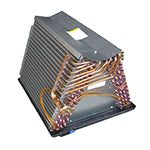
 Many times, when it comes time to perform an annual maintenance service on your HVAC system, components that are out of sight inside the system cabinet or air handler enclosure are often forgotten about or overlooked. One of these important components are your AC unit's evaporator coils.
Why You Should Clean Your AC Coils
Your HVAC system's coils are crucial for cooling your home. Over time, they can accumulate dirt, dust, and grime, which can lead to a number of problems. A dirty evaporator coil can cause your system to work harder, leading to reduced cooling efficiency, higher energy bills, and even damage to the unit. In fact, a unit with dirty coils can use up to 40% more energy and have a cooling function reduced by an estimated 30% or more.
Common signs that your coils need cleaning include:
- Reduced cooling efficiency
- Increased energy bills
- Poor indoor air quality
- Uneven cooling
- Ice buildup on the coil
Why Evaporator Coils are Important
The evaporator coil's primary function is to capture the heat from your home's indoor air. While the evaporator coils do their job, the condenser coils (also commonly called the fan coils) release the trapped heat into the air around the outdoor unit. Both coils are typically made of copper and are encased by multiple aluminum fins that help improve the transfer of heat. They are located in separate areas of the HVAC system - condenser coils are in the outdoor cabinet of your system while the evaporator coils are located inside your home in the indoor air handling unit.
Evaporator coils play a vitally important role in the performance of the cooling function of your AC system by providing the cooling that is necessary to generate the cold air that keeps the indoor air of your home or business comfortable, even during the hottest of temperatures. They also play a role in the dehumidification that your HVAC system provides. Water condenses onto the coils as they become cooler, which is then removed from your indoor air. This water is then collected in the drain pan, safely flowing away from the system.
The effectiveness and performance of these two vital functions is greatly reduced when the evaporator coils get dirty. The coils are typically damp from the dehumidification process, so the dust, pollen and other particulates in the air will stick to the coils as the air passes by them. If the air filter is dirty, or no air filter is used at all, this can also increase the number of contaminants that come in contact with the coil. When all of these factors come into play, enough dirt and dust can collect on the coils to affect their performance in a relatively short amount of time.
Evaporator coils should be checked regularly and cleaned as needed. Sometimes coils can be prone to easily collecting dirt and debris, therefore monthly cleaning may be necessary. A typical system, however, usually needs to be cleaned every 3 months during cooling season and at the very least annually during scheduled HVAC maintenance.
How to Clean Your AC Coils
The first step in cleaning your AC coils is obviously getting access to them. The evaporator coils are found inside your indoor handling unit behind the removable access panel. Before doing anything, make sure you turn the air conditioner off at the thermostat. You may want to shut off your circuit breaker just to be safe! Then, remove the screws or fasteners and loosen the panel, making sure to place the panel and screws aside where they won't get lost.
What You'll Need
Before you begin, make sure you have the following tools and materials on hand:
-
Gloves and Safety Glasses: To protect your eyes and hands from dirt and cleaning solutions.
-
Soft Brush or Fin Comb: A soft-bristle brush or specialized fin comb can help gently remove debris without damaging the delicate fins on the coils.
-
Foaming AC Coil Cleaner: A specialized, non-acidic foaming cleaner is a safe and effective option for cleaning both evaporator and condenser coils.
-
Water Hose (for condenser coils): Use a garden hose with a low-pressure nozzle to rinse the outdoor coils.
-
Spray Bottle with Water (for evaporator coils): A spray bottle is a great way to rinse indoor coils without causing damage.
-
Screwdriver or Drill: You may need this to remove access panels on your unit.
Next, use one of the following techniques to clean your AC evaporator coils:
-
Using compressed air. If there isn't a large buildup of dirt on your coils, it can usually simply be removed with the use of compressed air to blow the dirt off the evaporator coil. You'll want to direct the compressed air in the opposite direction of the normal air flow across the coil. Also, make sure that you use a consistent airflow across the coil, wear eye protection and use a shop vac to clean up the dirt and debris as it become dislodged.
-
Using a brush. This can be an effective technique for removing light amounts of dirt from the coils, also providing you more control on the pressure and areas that are being cleaned. With this method you'll use the brush directly on the coils to sweep the dirt away, scrubbing if necessary for harder to remove dirt. You'll want to use a soft brush, avoiding hard bristles or wire brushes as they can cause damage to the fins.
-
Using commercial cleaners. You'll have choices when it comes to the selection of cleaners available for cleaning your evaporator coils. After selecting your preferred brand, follow the instructions that come with the cleaner. Let the cleaner sit and foam until both the foam and debris drain away. Reapply as necessary (or per the instructions) until the coils are free of buildup and are clean.
-
Using mild detergents and water. If you prefer not to use a commercial cleaner, a mild detergent and water works just as well sometimes to clean the coils. Mix a simple detergent and warm water in a spray bottle or garden sprayer. Spray the solution onto the evaporator coils and give it a few minutes to soak in and loosen the dirt and debris. Wipe away any loosened material with a soft brush or cloth and reapply as needed.
-
Heavy-duty cleaning. If your evaporator coils are heavily soiled, you may need to use heavy duty cleaning chemicals and equipment like a steam cleaner or pressure washer. It may also mean you need to take apart more of your AC unit than just a regular cleaning, such as the removal of the coil, cutting of the refrigerant lines, and then reassembly afterwards. If this is the case for you, you'll want to consult with a professional HVAC contractor who can assess the job and will have the correct equipment, training and supplies to clean the coils and restore your AC system back to normal without incurring the risks of damage.
The Easiest Way to Keep Your Coils Clean
While cleaning your coils is a great way to improve your system's performance, the most effective preventative measure is to regularly replace your air filter. A clean, high-quality air filter traps dirt and dust before it can reach your coils, keeping them clean and your system running efficiently.
Browse our selection of AC & Furnace Filters now
US Home Filter can supply you with the best and most efficient HVAC filter available. Changing the filter in your furnace is as important as changing the oil in your car. We make filters that fit all AC/HVAC units, from standard to custom air filters, and whole-house filters. We have all of your filter needs covered!
Frequently Asked Questions
Q: How often should I clean my AC coils?
A: It's recommended to clean your AC coils at least once a year. However, if you live in a particularly dusty or polluted area, you may need to clean them more frequently.
Q: Can I use a pressure washer to clean my coils?
A: No. You should never use a high-pressure washer to clean your AC coils, as the high-powered spray can easily damage the delicate fins and lead to costly repairs.
Q: What can I use to clean my AC coils?
A: The best cleaners are specialized foaming solutions designed for AC coils. A simple mixture of mild detergent and water can also be effective. Avoid using harsh chemicals like bleach or ammonia, as they can corrode the coils.
Q: How much does it cost to have my AC coils cleaned professionally?
A: Professional AC coil cleaning costs between $100 and $400 on average, depending on factors such as the coil type, location, accessibility, and dirt buildup.